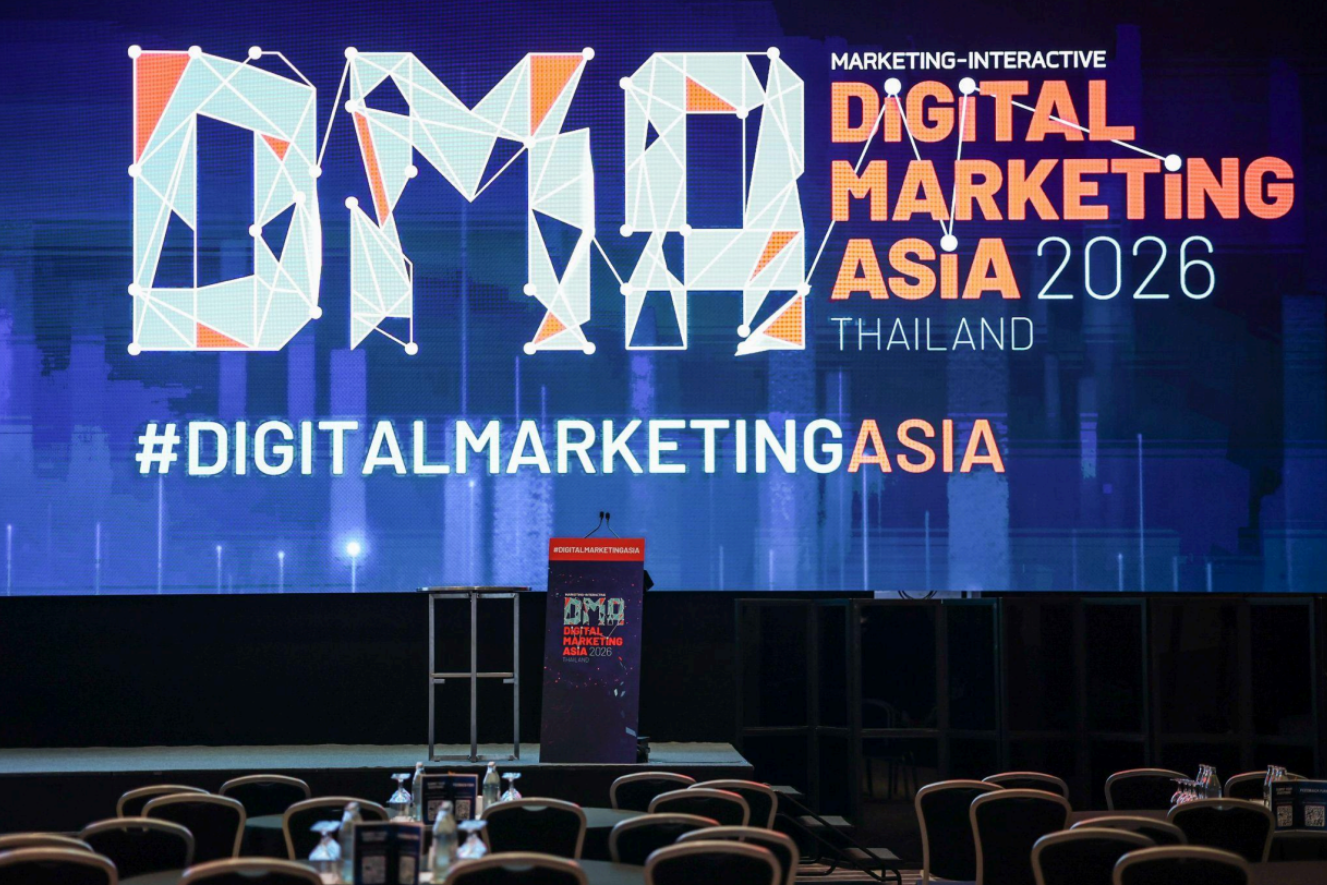
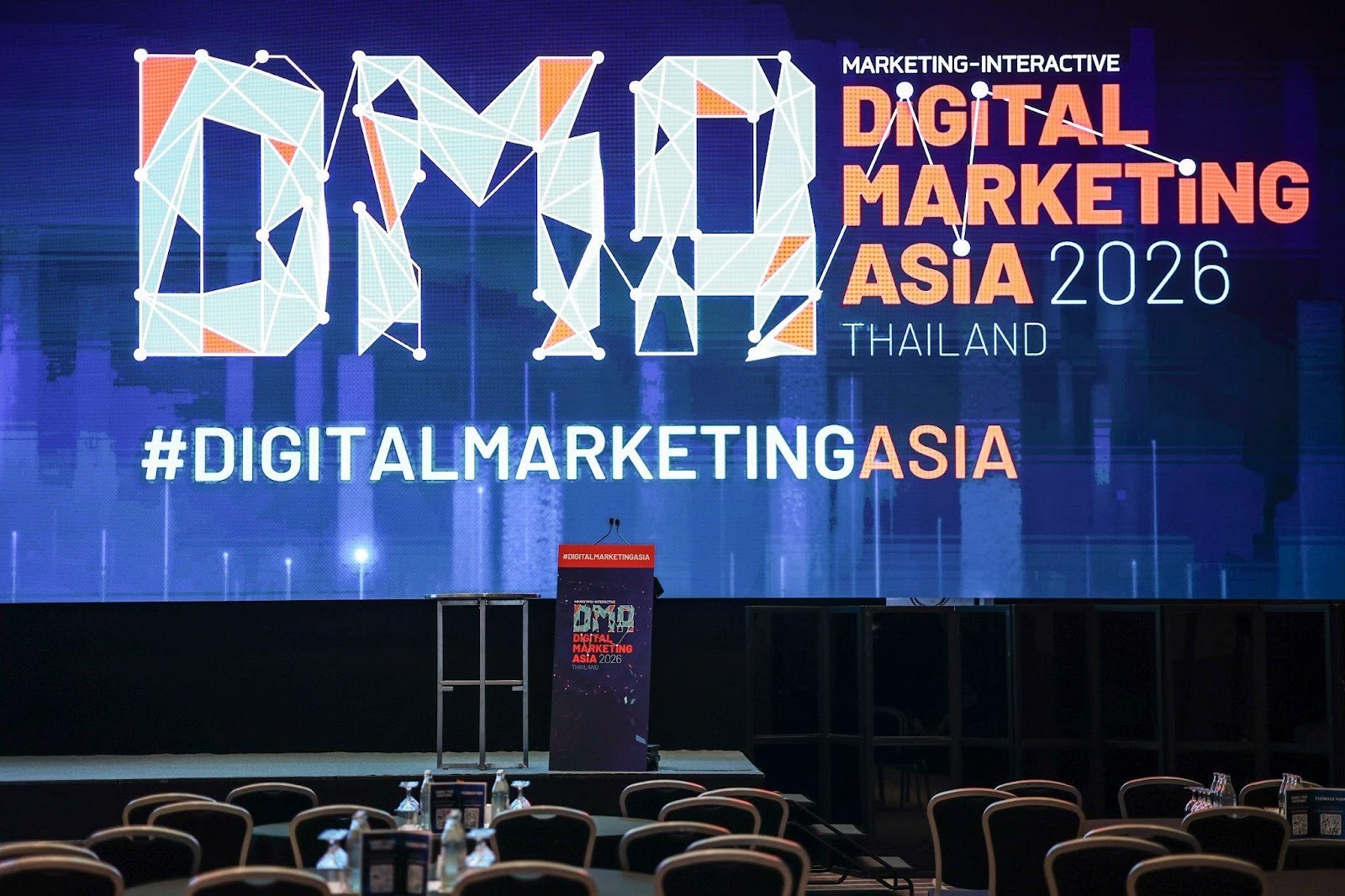
The dust has officially settled on Digital Marketing Asia (DMA) 2026 in Bangkok Thailand, and if one thing is clear, it’s that the Thai marketing landscape is moving at breakneck speed. This year’s event wasn’t just about the "next big thing"—it was about how brands can stay human in an increasingly automated world.
If you couldn't make it to Bangkok for the sessions, here are the three major pillars that dominated the conversation this year.
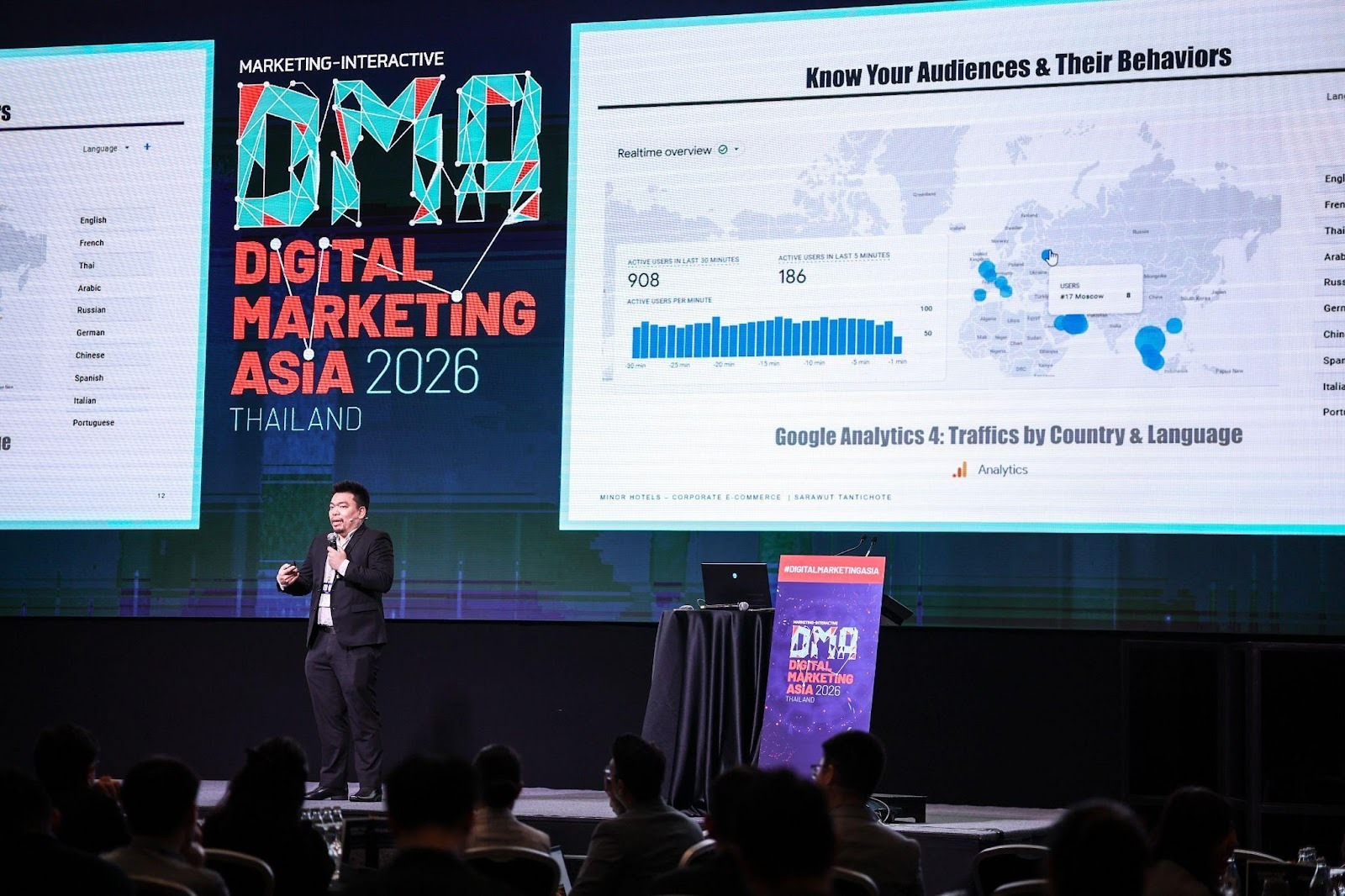
Sarawut (Senior Director of E-commerce and Digital Advertising) from Minor Hotel shared a fascinating real-time data win involving property management during shifting travel patterns. While city-center traffic in certain regions dipped, their data showed a surge in "urban escape" behavior.
A major "myth-buster" shared was about language targeting in Thailand and the Middle East.
With the rise of Conversational AI (ChatGPT, Perplexity, etc.), search behavior is changing. People aren't just typing "Thailand hotel" (a high-competition, low-intent keyword). They are asking complex questions like "Where is the best place to stay in Thailand for a 3-day spiritual retreat near the mountains?"
The message was clear about one thing: Impressions don't pay the bills.
view_search_results (searching for dates) and select_promotion.

If the morning was about the power of data, the afternoon was about the power of empathy. The panel, featuring leaders from Samsung, KBank, and Nestlé, focused on: The more we use AI, the more human our brands need to become.
The speakers argued that traditional targeting—age, gender, and location—is now Smart Context.
A standout concept from the session was the Human Algorithm—the idea that AI handles the scale, but humans handle the "vibe." The panel introduced the H-E-A-R framework for AI implementation:
Samsung shared how they are fighting back against high-spending competitors through AI Live Commerce.
"Before AI, we could only do 1 to 3 live streams a week. Now, with AI-powered streaming, we are live every day from 8 PM until midnight."
By extending their "shop window" hours using AI avatars and automated responses, they capture the late-night "scroll-to-shop" traffic that they previously missed.
To apply these insights focus on these two GA4 and Strategic steps:
1. Set Up "Predictive Audience" Triggers in GA4 Instead of targeting everyone who visited your site, target those most likely to convert based on their behavior "signals."
2. Audit Your "AI-to-Human" Handover Point Authenticity is lost when a customer gets stuck in a "bot loop."
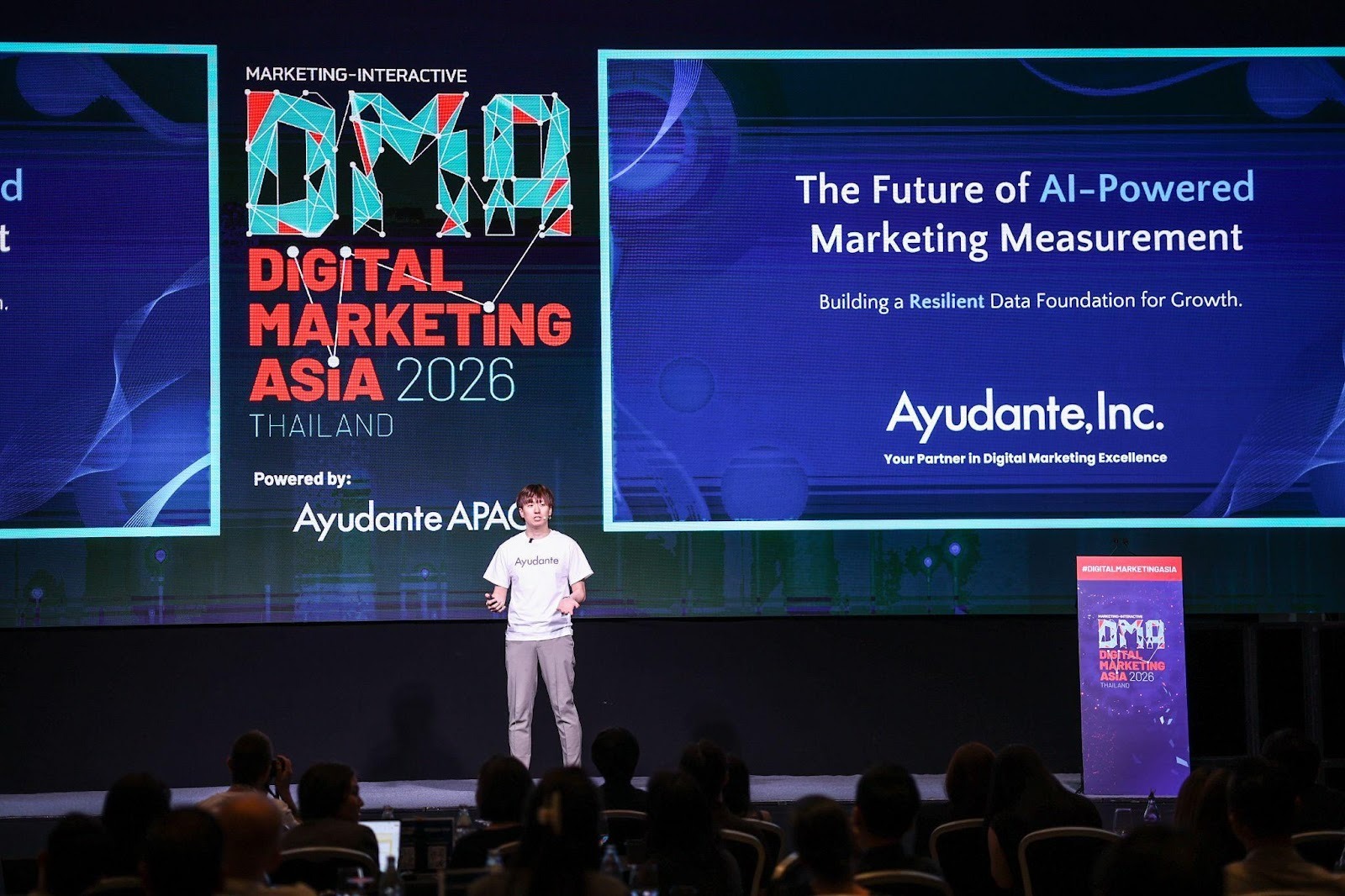
This session was the "reality check" of the day. While everyone is excited about the flashy side of AI—chatbots and cool videos—this talk reminded us that AI is only as smart as the data you feed it.
We’ve all heard the phrase "Garbage in, Garbage out," but in 2026, the stakes are much higher. As the speaker pointed out, if your data is messy, your AI isn't just unhelpful—it’s actively steering your budget into a ditch.
To get AI to perform, you can’t just track the final sale. It is equally important to understand your conversion data, as it is for those reasons that did not convert. You need to provide a "breadcrumb trail" of intent. The session broke this down into two essential buckets:
The elephant in the room was privacy. With regulations like GDPR and the increasing rollout of stricter privacy laws across Asia, the "old way" of tracking every move a user makes is gone.
"Users aren't just numbers anymore; they are people who are increasingly protective of their digital footprint. If you don't have their consent, you're marketing in the dark."
The challenge? The "Fragmented Journey." A customer might see your ad on TikTok, research you on a ChatGPT-style search engine, and finally buy through your app. Linking those dots without being "creepy" is the new marketing superpower.
So, how do we measure success when users say "No" to cookies? The answer presented was Consent Modeling. Instead of giving up on the data, smart marketers are using GA4’s Consent Mode (v2). When a user opts out, AI steps in to "model" the behavior based on similar groups who did opt in. It’s not about tracking an individual; it’s about understanding the pattern.
You don't need a "perfect" measurement setup to start—you just need a resilient one. Here are two ways to audit your data health in GA4:
1. The "Micro-Conversion" Audit Most marketers only track the "Thank You" page. AI needs more "signals" than that to learn.
add_to_cart, view_item, and file_download?2. Check Your "Signal Recovery" (Consent Mode) If you are running ads in 2026 without Consent Mode v2, you are likely "losing" 30–60% of your attribution data.
The full detailed version of this insightful session can be found here - [https://www.ayudante.asia/ayudante-blog/ayudante-apac-at-digital-marketing-asia-bangkok-2026-the-future-of-ai-powered-marketing-measurement
If there was one common thread across every stage at the Conrad Bangkok, it was that the gap between the "leaders" and the "laggers" in 2026 isn't the size of their AI budget—it’s the quality of their data foundation.
Whether it’s the Hospitality sector pivoting budgets to follow the "Urban Escape," or Samsung scaling their empathy through the "Human Algorithm," the winners are those who can trust the numbers they see on their screens.
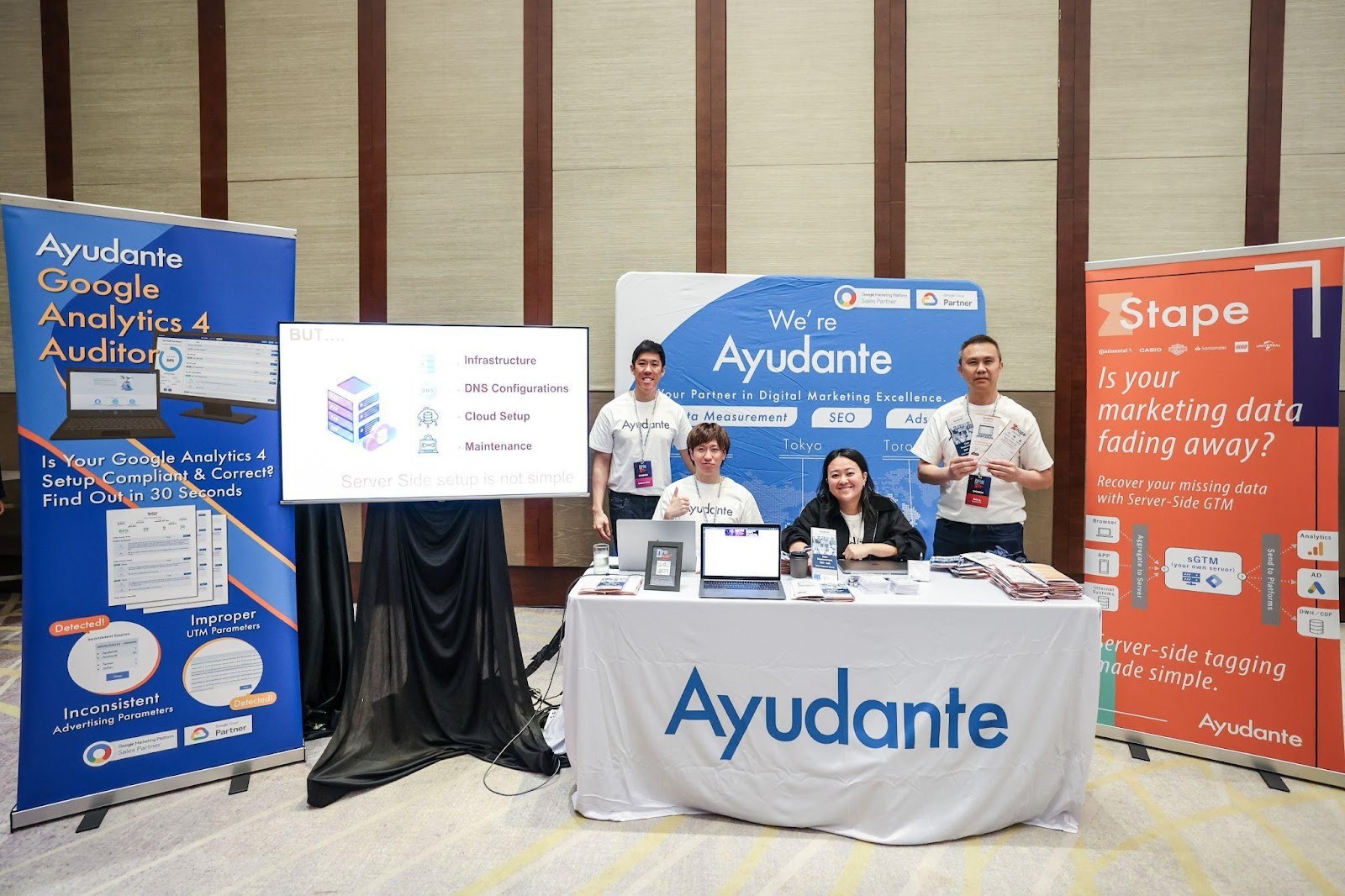
It was incredible meeting so many of you at our Digital Marketing Asia booth this year. The conversations we had—ranging from the frustrations of GA4 migration to the excitement of predictive modeling—confirmed that while the tools are getting smarter, the roadmap is getting more complex.
At Ayudante APAC, we don't just "set up" analytics; we help you find the "shouting" signals in your data. Our goal is to ensure that when your data talks, you have the infrastructure to actually listen—and the agility to act.
Ready to turn these event takeaways into your brand’s competitive edge? Whether you’re looking to audit your Consent Mode v2 setup or build a custom "Infinity Loop" tracking strategy, our team of experts is here to support your journey from fragmented data to flawless execution.