In today’s Ads landscape, AI is no longer seen as an optional approach - in fact it acts as a core part of any marketer’s strategy. As Google continues to expand and evolve its AI capabilities, digital marketers need to remain agile and adapt to this new era of smarter data-driven advertising.
Features such as Performance Max (PMax), AI Max and enhanced Broad Match on Google Ads are reshaping how campaigns are targeted and optimised, unlocking valuable performance opportunities previously difficult to scale.
In parallel, Google Analytics 4 (GA4) remains the central measurement hub, delivering critical conversion signals and user behavior insights which power Google Ads AI tools, guaranteeing they perform accurately.
However, leveraging these tools effectively is not so simple and requires more thinking than just toggling a button. Successful marketing campaigns depend on thoughtful strategy, disciplined measurement and clear reasoning behind each action.
In this article, we will delve deeper into how these particular tools can help elevate any marketers Google Ads strategy - covering what each tool does, their limitations and how they work with GA4 to close the loop on measurement.
AI has moved from being a supplementary feature to the heart of Google Ads campaign management. With tools like Performance Max (PMax),AI Max, and the upgraded Broad Match, advertisers can now:
Meanwhile, GA4 continues to provide the essential conversion and audience signals that power AI-driven decisions, creating a seamless feedback loop between user behaviour and campaign optimisation.
Performance Max (PMax) is Google’s most advanced automated campaign type. Rather than managing separate campaigns for Search, Display, YouTube, and other channels, PMax leverages Google’s AI to optimise performance across almost all placements, using real-time conversion signals - primarily from GA4.
For modern marketers, PMax isn’t just another campaign type; it represents a fundamental shift from manual bidding and channel management to strategic oversight and creative asset management.
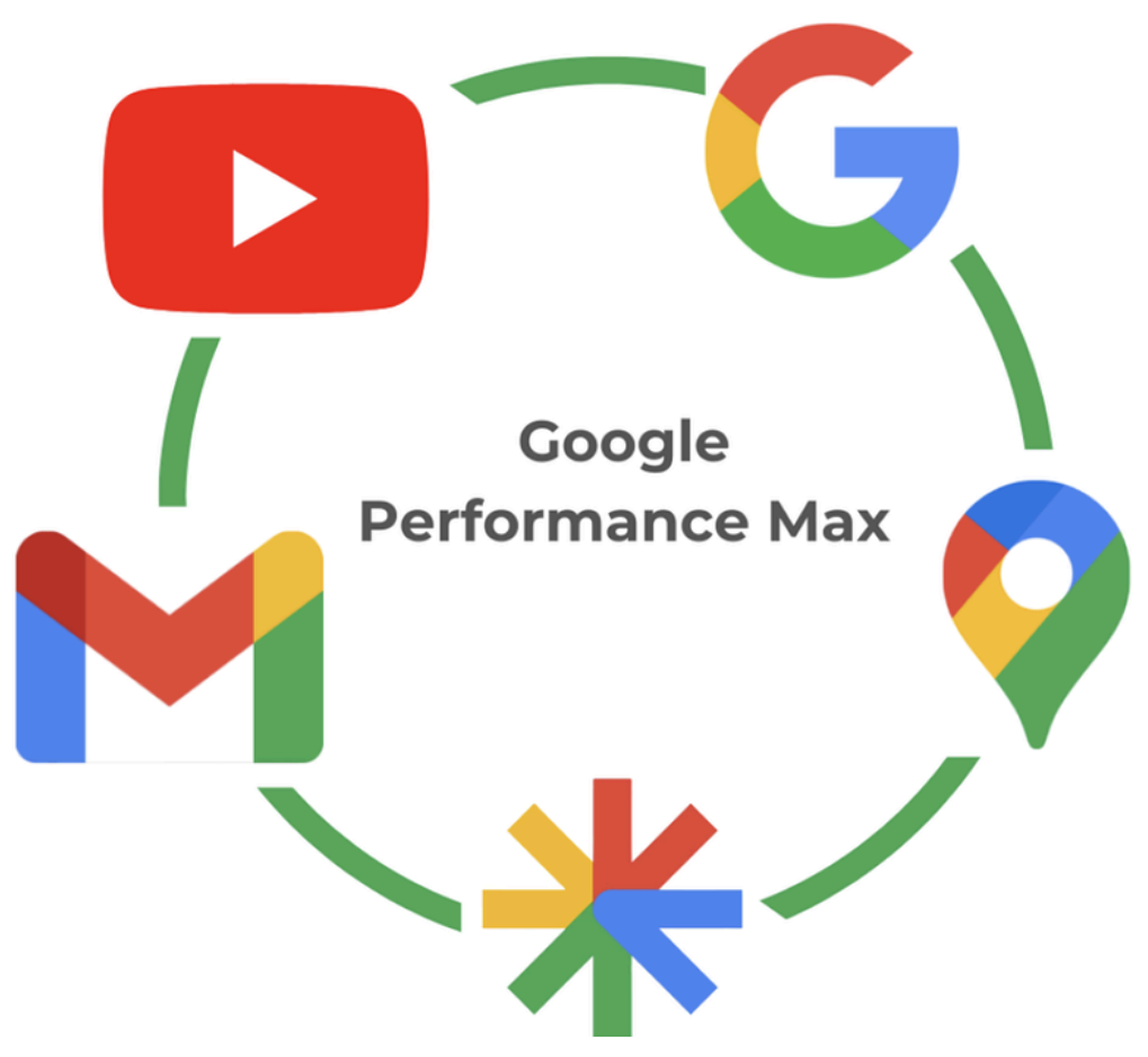
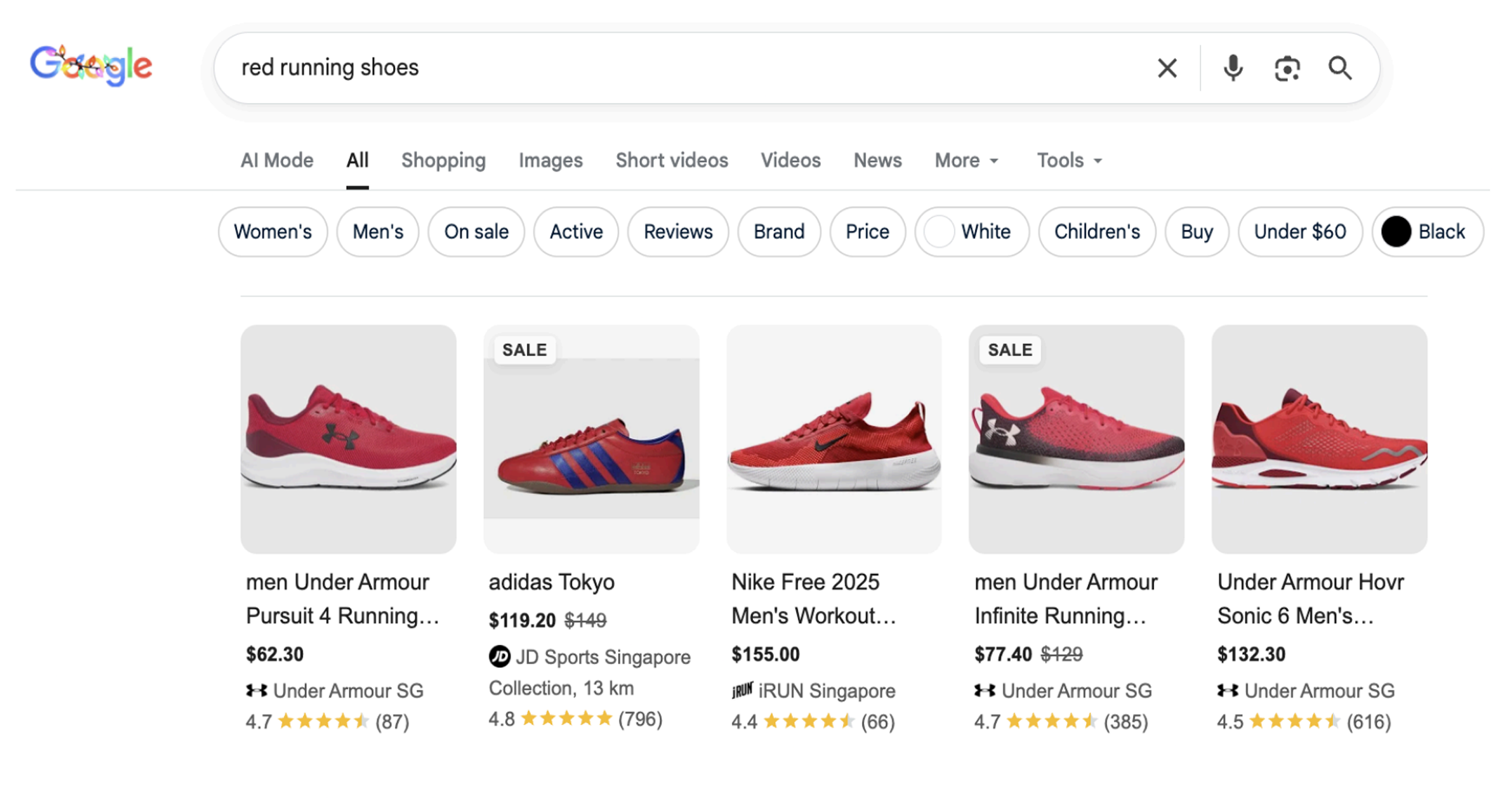
The real power of Performance Max lies in its seamless workflow, connecting your business goals, creative assets, and Google’s AI models. This fully integrated process constantly self-optimises to drive results. We will use an example of advertising a “Red Running Shoe” for illustration purposes.
The process begins not in Google Ads, but in GA4,where marketers define the true measure of success.
For example, the team sets the conversion goal for the product - marking the “Purchase - Red Running Shoe” event as a critical conversion. This GA4 signal is sent instantly to Google Ads, giving the AI a clear target: drive this exact conversion.
Next,marketers upload a mixed set of assets to the PMax interface including:
Once the goal is set and assets are uploaded, the AI manages distribution and optimisation across Google’s network: Search, YouTube, Display, Discover, Gmail, and Maps.
The system continuously tests by dynamically combining headlines, descriptions, and images, while predicting which users are most likely to convert usingGA4-informed audience segments.
Broad Match expansion allows the AI to go beyond exact keyword targeting. GA4 signals help the system understand which behaviors and searches lead to purchases, enabling it to capture high-intent queries marketers might miss - like “best running shoes for beginners,” “lightweightred sneakers,” or “comfortable running shoes.”
PMax’s intelligence comes from its constant learning cycle. Every purchase triggers a signal sent back to GA4, which updates Google Ads AI models within minutes.
This feedback loop enables the AI to learn precisely:
The result of this integrated, automated process is that the campaign shifts from manual management to strategic oversight. The team spends less time on tactical bidding and more time creating better assets and landing pages. PMax ensures smarter targeting, dramatically reduced manual effort, and ultimately, more Red Running Shoes sold at the optimal cost.
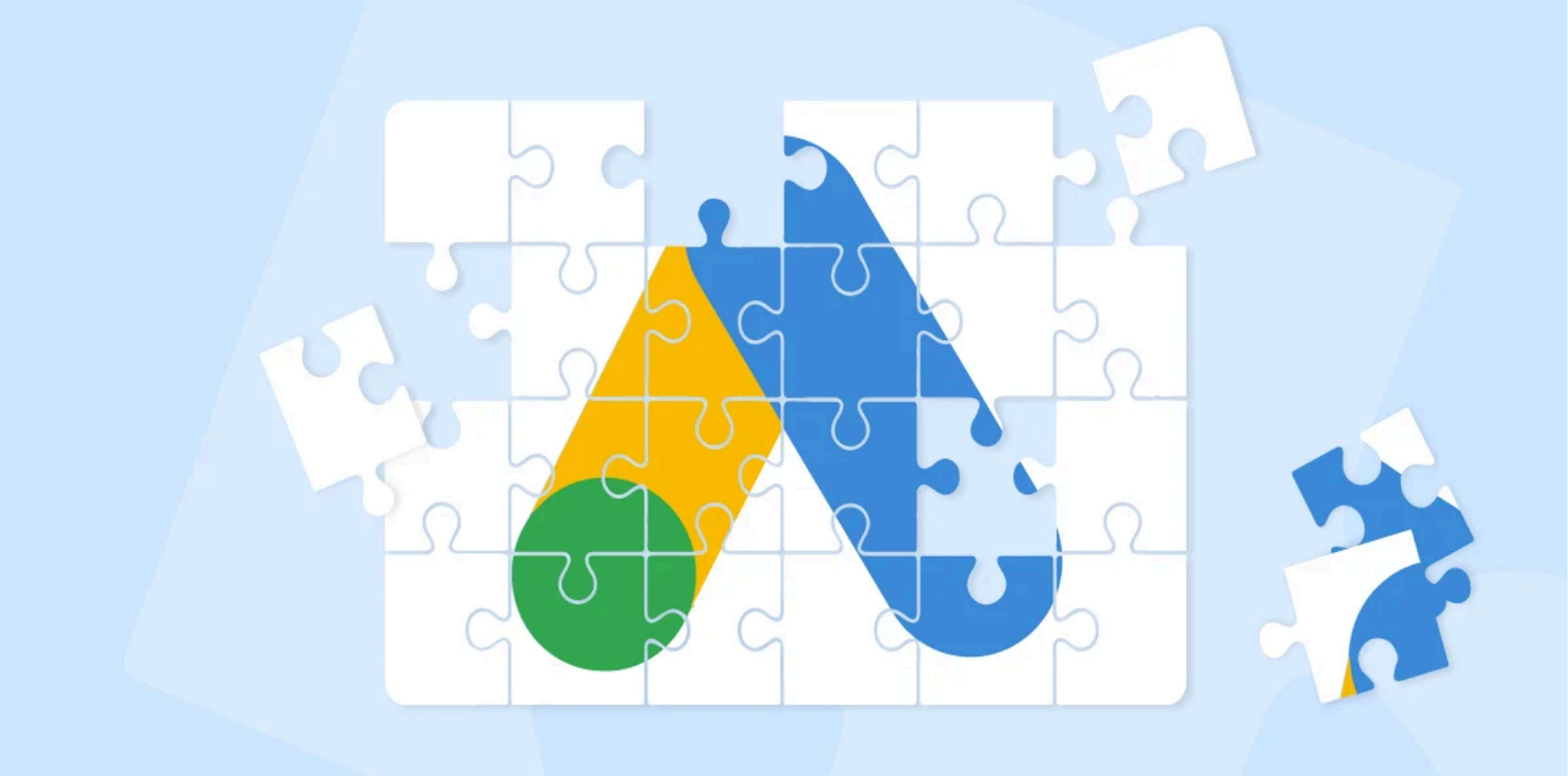
In today's ecosystem, campaign success is driven by data integration, not manual inputs. GA4 plays a central role, acting as the single source of high-quality conversion and audience data that powers every optimisation decision made by the AI in Google Ads.
Performance Max: Dynamic Budget Allocation
As mentioned, Performance Max (PMax) is the primary campaign vehicle, designed for fiscal efficiency. Using conversion and value signals from GA4, PMax identifies which channels and audience segments are most valuable.
Budgets are dynamic, automatically shifting toward the highest-performing placements, eliminating wasted spend and maximising overall Return on Ad Spend (ROAS).
AI Max: Advanced Automation Engine
AI Max powers the moment-to-moment decisions within PMax, leveraging GA4 data to refine both targeting and creative delivery.
Broad Match: Precision Growth
Broad Match becomes a strategic growth tool when guided by GA4 and AI Max insights. The AI filters low-value searches while identifying profitable, high-intent queries beyond exact keywords.
This approach allows marketers to safely expand targeting, discover new revenue opportunities, and scale campaigns efficiently without wasting budget on irrelevant traffic.
Even with these robust GA4 integration and the intelligence of AI Max, these highly automated campaigns are not guaranteed. Nonetheless, there are best practices and a proper checklist of items marketers can adapt to reduce this.
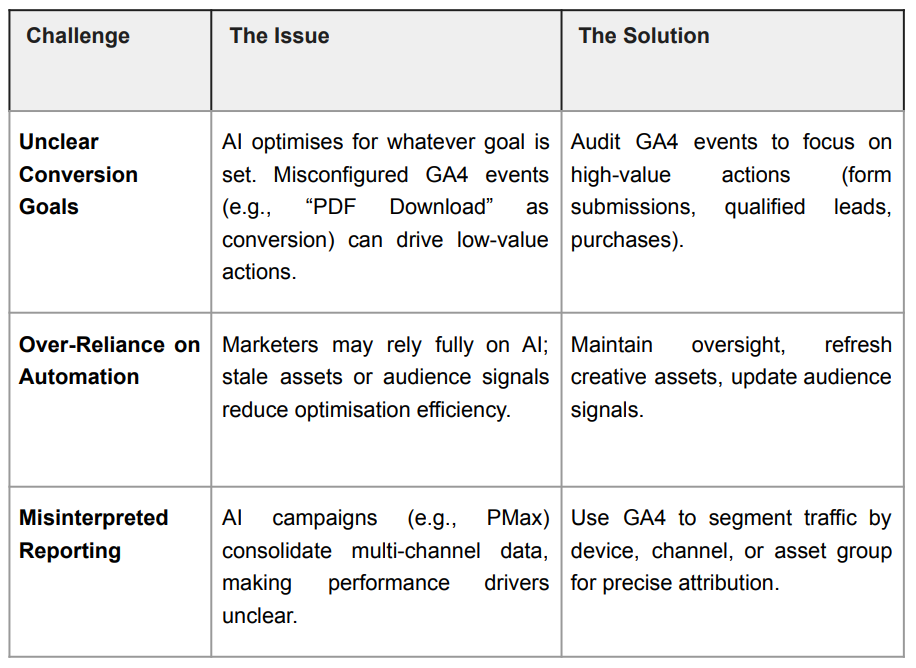
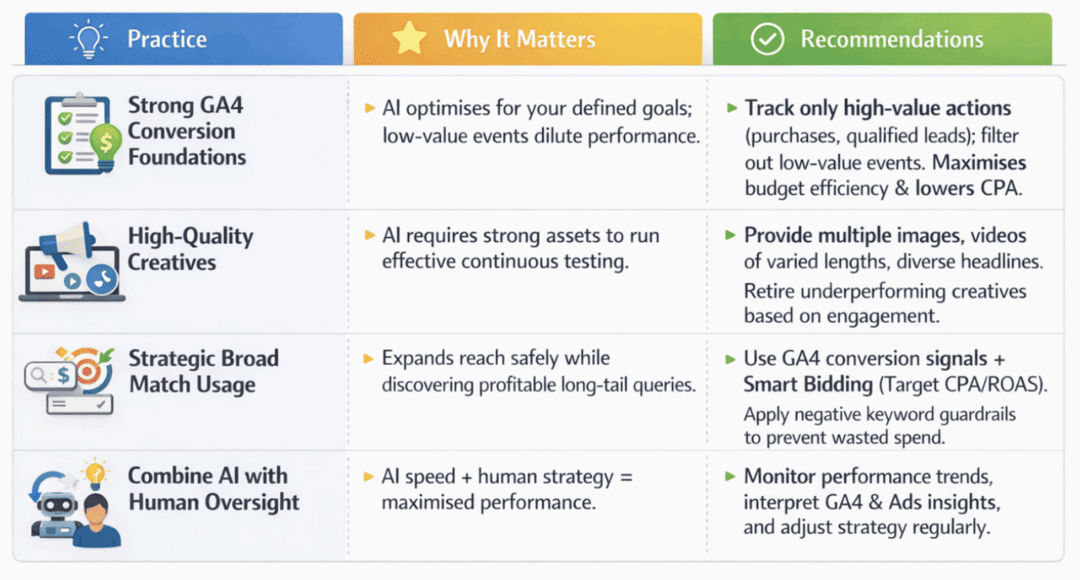
The bottom line - PMax, AI Max, and Broad Match unlock scale only when deliberately guided by humans. The future is augmented intelligence, not full automation.