Today's customers move seamlessly between websites, apps, social media, physical stores and customer service channels. They expect brands to understand their needs, remember their interactions and deliver relevant experiences at every touchpoint.
For businesses, however, connecting these interactions into a coherent picture remains a challenge. Customer data is often scattered across platforms, valuable signals go unmeasured, and marketing decisions are made without the full context.
At Digital Marketing Asia (DMA) Singapore 2026, three sessions explored different aspects of this challenge: personalisation through first-party data, creating seamless omnichannel experiences, and building a reliable measurement foundation for AI.
While each approached the topic from a different angle, they shared a common message: better customer experiences and smarter marketing decisions start with better data.

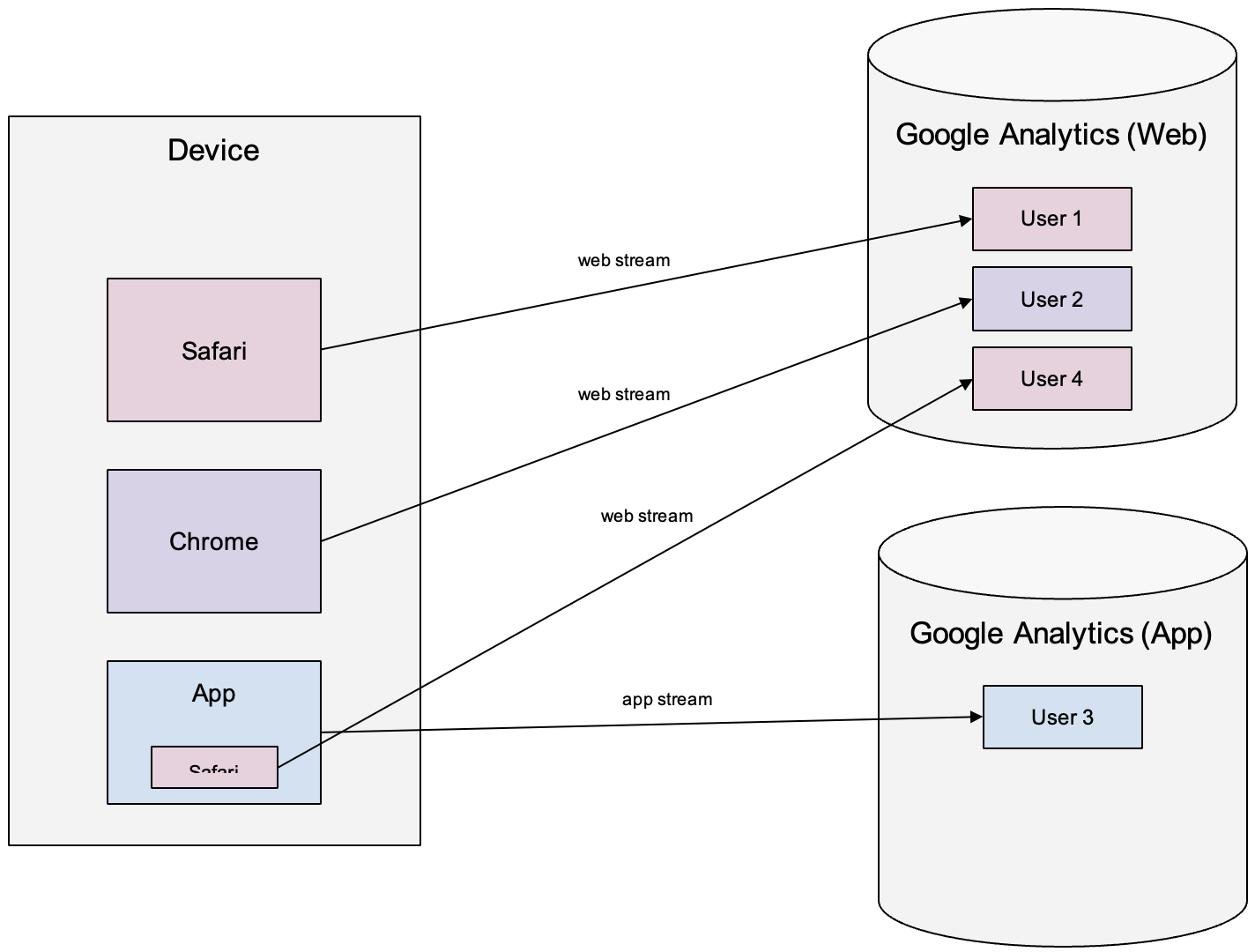
A customer might discover a product on social media, compare prices on a website, visit a physical store and eventually complete a purchase through an app. To the customer, this is one continuous journey. Reinaldo Herulianto, Head of Digital Lifecycle and Analytics at Siloam Hospitals Group believes that inside the business, however, each interaction may belong to a different team, platform or system.
This disconnect creates friction. Customers may need to repeat information when switching channels, receive inconsistent answers from different touchpoints, or find that previous interactions are not recognised. Meanwhile, businesses struggle to understand the complete customer journey and identify where the experience is falling short.
The consequences extend beyond customer satisfaction. Disconnected information can lead to missed sales opportunities, repeated service enquiries, higher operational costs and weaker customer retention.
The solution begins with understanding who the customer is, what they have done and what they need next.
First-party data — information collected directly through a business's own customer relationships and digital touchpoints — can help connect these interactions. Website behaviour, purchase history, customer service records and consented customer information can all contribute to a more complete understanding of customer needs.
But collecting more data is not enough. The real value comes from making it useful across the organisation.
When customer information is connected and accessible to the right teams, businesses can move beyond generic promotions towards more relevant experiences. They can recognise returning customers, tailor communications to previous interactions, identify opportunities for repeat purchases and address service issues with greater context.
This is where personalisation becomes more than a marketing tactic. It becomes a way to strengthen customer relationships and generate long-term value.
Google Analytics 4 (GA4) can play an important role in this process by helping businesses understand how users interact with their websites and apps.
With appropriate event tracking, marketers can measure key actions such as product views, searches, add-to-cart events, purchases and lead submissions. These data signals help reveal where customers engage, where they drop off and which journeys lead to valuable outcomes.
Where a business has suitable consent, implementation and data integration in place, GA4 insights can also be combined with first-party customer data and CRM information to support more informed segmentation and marketing decisions.
However, GA4 is not a complete customer relationship management system, nor does it automatically unify every offline and online interaction. Meaningful cross-channel analysis depends on sound measurement design, suitable integrations and responsible data handling.
The objective is to connect the right signals to the right business questions — and use those insights to improve the next customer interaction.
The takeaway: Personalisation pays when businesses can turn reliable first-party data into relevant experiences. The goal is not simply to collect more information, but to understand customers better, remove friction and give them compelling reasons to return.

Offering multiple customer touchpoints does not automatically create an omnichannel experience as highlighted by Widi Nugroho, Group Head of Business Operational Support at Aerofood ACS.
A brand may have a well-designed website, a mobile app, social media accounts, physical stores and a responsive customer service team. Yet if these channels operate independently, customers can still encounter inconsistent information, disconnected conversations and unnecessary repetition.
True omnichannel customer experience (CX) is about continuity. Customers should be able to move between channels without feeling that they are starting over each time.
For example, a customer who researches a product online should ideally receive consistent information when speaking to a sales representative. Someone who raises an issue through customer service should not have to explain the entire situation again when the issue is escalated.
Achieving this requires more than adding new channels. It requires shared information, aligned processes and a clear understanding of the customer's journey.
One of the biggest obstacles to seamless CX is organisational fragmentation. Marketing, sales, operations and customer service may each maintain separate systems, metrics and processes.
Even when these teams have access to data, they may interpret success differently. Marketing might focus on conversions, sales on revenue, and customer service on resolution times. Without a shared view of the customer and common business objectives, improvements in one area can create friction elsewhere.
Businesses should start by mapping the customer journey across channels, identifying where information is lost, where customers encounter unnecessary steps and where teams struggle to coordinate.
From there, they can prioritise the data and integrations needed to close these gaps. This may include consistent customer identifiers, shared CRM records, connected support systems and clear processes for transferring customer context between teams.
Not every organisation needs to integrate every platform at once. Starting with a few high-impact journeys — such as product discovery to purchase, or enquiry to resolution — can make the initiative more manageable and its impact easier to evaluate.
GA4 provides a useful measurement layer for understanding digital behaviour across websites and apps. Its event-based data model allows businesses to track meaningful interactions and analyse the steps users take before completing a key action.
With appropriate configuration, marketers can examine acquisition sources, landing-page engagement, conversion paths and drop-off points. Cross-platform measurement can also help businesses understand how users interact with a website and app, where the implementation supports it.
These insights can help answer practical questions: Which channels bring engaged visitors? Where do users abandon the journey? Which interactions are associated with conversion? Are changes to a digital experience improving outcomes?
However, a GA4 report alone cannot explain the entire customer experience. It may show where users abandon an online process, but it will not automatically reveal what happened during a store visit or customer service conversation.
That is where a broader measurement framework becomes valuable. GA4 can be complemented by CRM, sales, support and other operational data to provide greater context, subject to the available integrations, data quality and privacy requirements.
Businesses should also distinguish between observed behaviour and inferred explanations. Analytics can identify patterns and potential friction points, but qualitative feedback and operational data are often needed to understand why those patterns occur.
The next step is to use these findings to improve the journey, then measure whether the changes lead to better outcomes — such as higher conversion rates, fewer abandoned journeys, faster issue resolution or stronger repeat purchase rates.
The takeaway: Seamless omnichannel CX is built on connected data and coordinated teams. GA4 helps illuminate digital interactions, while integration with other business systems provides the context needed to understand and improve the wider customer journey.

AI is opening new possibilities for audience insights, campaign optimisation and marketing automation. But even the most advanced AI systems depend on the quality of the signals they receive.
At DMA Singapore 2026, Ayudante APAC CEO Naohiro Yamaura highlighted a fundamental challenge: missing conversions, incomplete traffic attribution and browser tracking restrictions can undermine marketing measurement without businesses even realising it.
When data is incomplete, performance metrics such as cost per acquisition (CPA) and return on ad spend (ROAS) may not tell the full story. AI-powered optimisation can also be affected when it relies on incomplete conversion signals.
The presentation explored ways to strengthen measurement, including Consent Mode, Enhanced Conversions, Google Tag Gateway, server-side Google Tag Manager and advertiser-owned first-party measurement.
For GA4 users, the implications are clear: accurate event collection, reliable attribution and ongoing measurement checks are essential for making analytics insights more trustworthy. Where appropriate, these practices can also help strengthen the data signals used by connected marketing platforms.
Yamaura also emphasised that AI agents can help automate technical tasks, but humans must remain responsible for defining objectives, managing privacy and establishing appropriate oversight.
Ayudante APAC also introduced MATSUBA, its proprietary first-party measurement service, designed to help advertisers establish greater ownership and control over their measurement data.
Want to explore these challenges in more detail? Read the full article: Is Your Data Foundation Holding Your AI Impact Back? How Far Can AI Agents Go in Building a Resilient Data Foundation?

Across all three topics, the message is consistent: customer understanding, seamless experiences and effective AI all depend on trustworthy data.
Businesses need to connect fragmented customer touchpoints, make first-party data actionable, identify gaps in their measurement and ensure that the signals feeding their analytics and marketing platforms accurately reflect meaningful outcomes.
GA4 is an important part of this picture, helping organisations understand digital behaviour and measure key interactions. But getting the most from it requires more than installing tags or building dashboards. It takes thoughtful measurement planning, reliable implementation, suitable integrations and continuous validation.
If you're ready to tackle these challenges — from connecting customer journeys and activating first-party data to improving GA4 measurement, addressing signal loss and building a data foundation fit for AI — our team of data measurement experts at Ayudante APAC can help. We work with businesses to assess their measurement setup, identify gaps and implement practical solutions that turn more reliable data into clearer insights and more confident decisions.